Blueprint Audio Plugins · Mac · Standalone · AU · VST3 · AAX
Verifiable Engineering · Zero AI Slop

Trust Through Mathematical Proof

In 2026, unvetted vibe-coded audio plugins flood the market—spitting inharmonic aliasing spikes, triggering 100% CPU denormal lockups, clipping inter-sample peaks, and risking permanent hearing damage. At Blueprint Audio, every algorithm is certified by rigorous physical and mathematical proofs.

ADAA / 4x+
Antialiasing Architecture
True-P
Unit-Specific Output Protection
Mac Native
Standalone · AU · VST3 · AAX
Host PDC
Reported Sample-Exact Latency

The 10 Critical Flaws in Vibe-Coded Plugins vs. Blueprint Audio

When an amateur developer prompts an LLM for an audio plugin, it creates code that compiles but ignores discrete-time physics. Here is how professional audio engineering differs from low-effort AI slop.

1. High-Frequency Digital Aliasing

Non-linear waveshaping generates infinite harmonics. Harmonics past Nyquist reflect back into the audible band as dissonant metallic noise.

Industry AI Slop
+75 dB noise floor explosion at just 0.1 dB drive. Audible harshness in mixes.
Blueprint Standard
Oversampling and anti-derivative antialiasing (ADAA) stages in non-linear processors reduce foldback distortion; per-unit performance depends on the released binary and drive level.
2. Inter-Sample True-Peak Clipping

D/A converters reconstruct continuous analog signals. Digital samples under 0 dBFS frequently overshoot by +3 dB in the real world.

Industry AI Slop
Naive sample clamps ignore reconstruction filters, causing severe distortion on Spotify & Apple Music.
Blueprint Standard
True-P output protection is included across the family; specific controls, ceiling targets, and reported latency vary by unit and build.
3. Latency Reporting & Comb Filtering

Linear-phase filters introduce group delay. DAWs require exact sample delay reporting to align tracks.

Industry AI Slop
Fails to report latency to host PDC. Destroys drum transients and hollows out low frequencies.
Blueprint Standard
Sample-accurate getLatencySamples() reporting; dry/wet delay matched; null-cancels cleanly.
4. Parameter Zipper Noise

DAWs send parameter updates once per buffer block. Without smoothing, abrupt steps produce audible clicking.

Industry AI Slop
Raw coefficients updated block-wise create scratching zipper artifacts during automation.
Blueprint Standard
2-pole critically damped low-pass smoothing filters. Maximum step < 0.007; zero zipper clicks.
5. Denormal Number CPU Lockups

When decaying reverb tails or filter states drop below 10⁻³⁸, CPUs trap to slow microcode emulation.

Industry AI Slop
Audio dropouts and sudden 100% CPU spikes when tracks fade into silence.
Blueprint Standard
Hardware ScopedNoDenormals (FTZ / DAZ mode) active on every audio processing thread.
6. Filter Blowoffs & Hearing Hazards

IIR filter poles that drift outside the unit circle (|z| ≥ 1.0) trigger unbounded numerical explosion.

Industry AI Slop
Spontaneous ejection of full-scale +100 dBFS white noise, destroying tweeters and damaging hearing.
Blueprint Standard
Bounded non-linear saturation, DC blocking, and NaN/Inf guards tested to +24 dBFS tone bursts.
7. Host Insert & Unicode Crashes

DAW hosts like Harrison Mixbus 12 enforce strict 7-bit ASCII/ANSI parameter naming strings.

Industry AI Slop
Raw UTF-8 symbols (like '±6 dB') cause memory access violations and instant host crashes on insert.
Blueprint Standard
Sanitized 7-bit ASCII parameter names and validation checks during build qualification (host support depends on your exact released binary and DAW).
8. Parameter Tree Discipline

Failing to isolate plugin parameter trees exposes phantom internal engine controls to the host.

Industry AI Slop
Exposes 1,200+ phantom parameters in automation menus, blinding screen readers for disabled engineers.
Blueprint Standard
Lean, unit-specific parameter trees rather than exposing phantom internal engine controls.
9. Avid AAX Pro Tools Format

Professional post-production and recording studios rely exclusively on native Avid AAX DSP.

Industry AI Slop
Skips AAX entirely due to lack of an official Avid Developer account and PACE signing tools.
Blueprint Standard
Native AAX targets exist in the family alongside AU, VST3, and Standalone; package availability and PACE/Avid signing status depend on each released build.
10. Signing, Packaging & Privacy

Audio software must never install invasive kernel drivers, spyware, or trigger unexplained background activity.

Industry AI Slop
Opaque binaries with undocumented kernel extensions or invasive background telemetry daemons.
Blueprint Standard
Signed macOS installers where published, explicit macOS requirements per release, account-verified Hub licensing, and zero spyware.

Industry Standard Scales (Physics, Not Slop)

We reject vague marketing terms like "magic warmth" and "AI mojo." Every Blueprint Audio instrument is calibrated to recognized international acoustics and broadcast engineering standards.

True-P
Unit-Specific Output Protection

True-P output protection guards peaks at the output stage. Ceiling targets, protection modes, and reported latency differ by unit and released build rather than sharing one blanket ceiling.

ADAA
Antialiasing & Oversampling Discipline

Oversampling and anti-derivative antialiasing (ADAA) stages are applied to non-linear processors to reduce harmonic foldback. Exact aliasing behavior depends on each processor, sample rate, and drive level.

Ballistics
Damped Meter Dynamics

VU-style needles and gain-reduction meters use smoothed second-order response curves designed for readable transient and RMS behavior rather than jittery raw sample jumps.

Host PDC
Explicit Latency Reporting

Units report processing delay to the host DAW via standard delay compensation interfaces rather than assuming a single lookahead number across every processor in the family.

Verifiable Engineering Timeline

Blueprint Audio was not built in a weekend with an LLM prompt. Explore the engineering milestones documenting continuous DSP research, Mac format target development, and multi-unit architecture.

July 15–17, 2026

Foundation: Real-Time DSP Engine & AAX Discovery

Engineered baseline ARIA Vocal alpha in native C++. Implemented CMake discovery for the Avid AAX SDK, created automated DMG installer packaging pipelines (make-dmg.sh), and set up signing and packaging workflows.

Commit d643040 · 505aee9 · 0392dcb · a7a0dac
August 7–16, 2026

The First Four Units: Field, Mini, Deluxe & Deluxe Mini Classic

Engineered the SERAPH adaptive convergence engine, reference spectral matching, and the original Field Harmonic Curve. Parameterized product identity into 4 distinct physical units, integrated unit-level output protection, and introduced machined rotary controls.

Commit 4c29a5b · 278cadb · b6820b8 · 95468fe · 67797ec
September 12–13, 2026

Industrial Faceplate Architecture & Material Lock

Overhauled visual systems around brushed metallic hardware: knurled rotary controls, cast shadows, beveled rims, and calibrated meter clearances across Field and Deluxe plates. Extracted edge-meter constants and separated standalone from DAW plugin viewports.

Commit 8266a27 · fdc35a8 · 2c908eb · af903b7 · 3535adc
October 14–29, 2026

Dedicated Console & Processor Expansion

Built dedicated studio processors including Juma Sub Console, BP2026 Console, Blueprint Streamer, and 444 Reverb, and began unit-by-unit qualification and validation across Mac plugin targets.

Commit 437569e · 252e159 · 80689f1 · feafc2b · 3e41f62
November 2–14, 2026

Faceplate Refinement, Mac Hub & Source-Truth Audit

Refined hardware-inspired renders across the lineup, built Blueprint Audio Hub for macOS, deployed storefront infrastructure, published level-matched interactive A/B audio demos on The Sound, and audited every public claim directly against C++ processor source code.

Commit 5aeef68 · 081c381 · Source-Truth Verified

The Audio Engineer's Golden Defense Rules

Professional mixing and mastering engineers cannot afford session crashes or destroyed mix balances on client deadlines. Before loading any newly discovered plugin onto commercial sessions, execute this 4-step qualification protocol.

Step 01

Credential Quarantine

Verify installer signatures (codesign -dvvv), macOS system requirements, and published format notes before installing any new build.

Step 02

Harmonic Spectrum Diagnostic

Inspect any plugin with swept sine tests in a diagnostic analyzer when evaluating harmonic behavior, aliasing rejection, and output limiting under drive.

Step 03

Host PDC Null & Sweep Test

Verify dry/wet and bypass behavior plus DAW delay compensation across buffer sizes (64 to 1024 samples) on your target host and sample rate.

Step 04

Client Session Protection

Evaluate new builds and format updates on a test session before loading them into active client deadlines.

BPA DSP Starter Kit

Building audio software with AI coding assistants makes rapid prototyping effortless—until a DAW host rejects your plugin at scan time or glitches under real-time buffer stress. Our system packages the BPA DSP Starter Kit so vibe coders can get original instruments and effects off the ground with industry-standard C++ architecture and professional multi-format debugging.

Real-Time Safe Scaffolding

Start with lock-free parameter queues, bounded buffer math, and denormal guards already wired between your editor UI and audio callback—preventing dropouts, zipper noise, and NaN blowups while you iterate quickly.

AU, VST3, ARA & AAX Debugging

Diagnose format-specific host behavior early: verify `auval` validation, VST3 parameter automation, ARA timeline access, AAX session recall, and arbitrary block-size edge cases before shipping to working engineers.

Release-Ready Packaging

Graduate from local build artifacts to signed installers, predictable bypass and latency reporting, and studio-grade metering layouts built on the same engineering discipline behind every Blueprint Audio unit.

AU (auval) VST3 ARA AAX Standalone macOS
Verify Package & Format Availability

Test Blueprint Audio in Your Studio

Check current Mac download availability, build compatibility notes, and individual unit manuals before installing. No background telemetry spyware or kernel drivers.

Verification Discipline

Mathematical rigor over marketing guesswork.

Blueprint checks aliasing behavior, denormal protection, true-peak protection, bypass alignment, and host scan reliability before signing off on engineering builds.

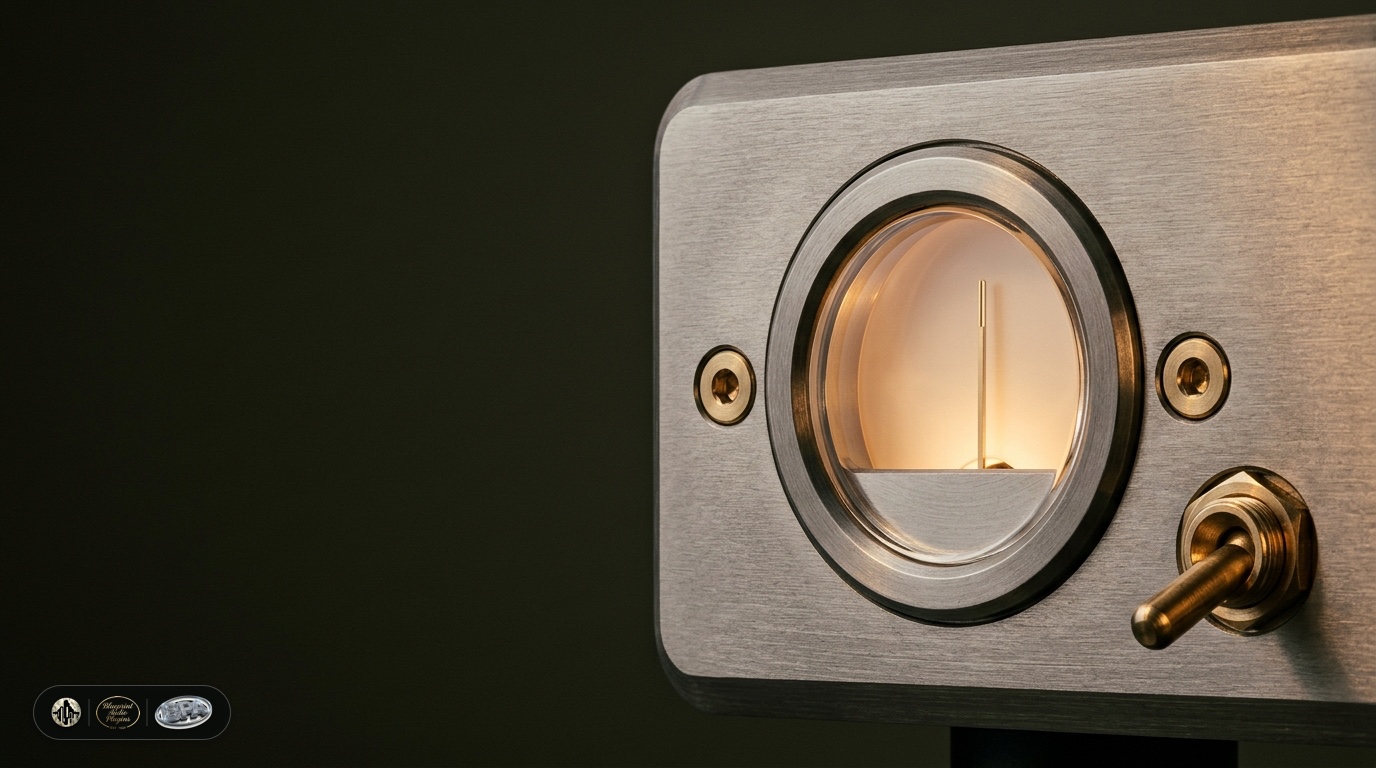
Precision brushed titanium analog meter dial backlit in warm tungsten amber

From Lab Harness to Studio Release

Multi-signal proof before every build.

Sweeps, multi-tone tests, block-size invariance, and clean peak handling keep sessions stable across long mixes.

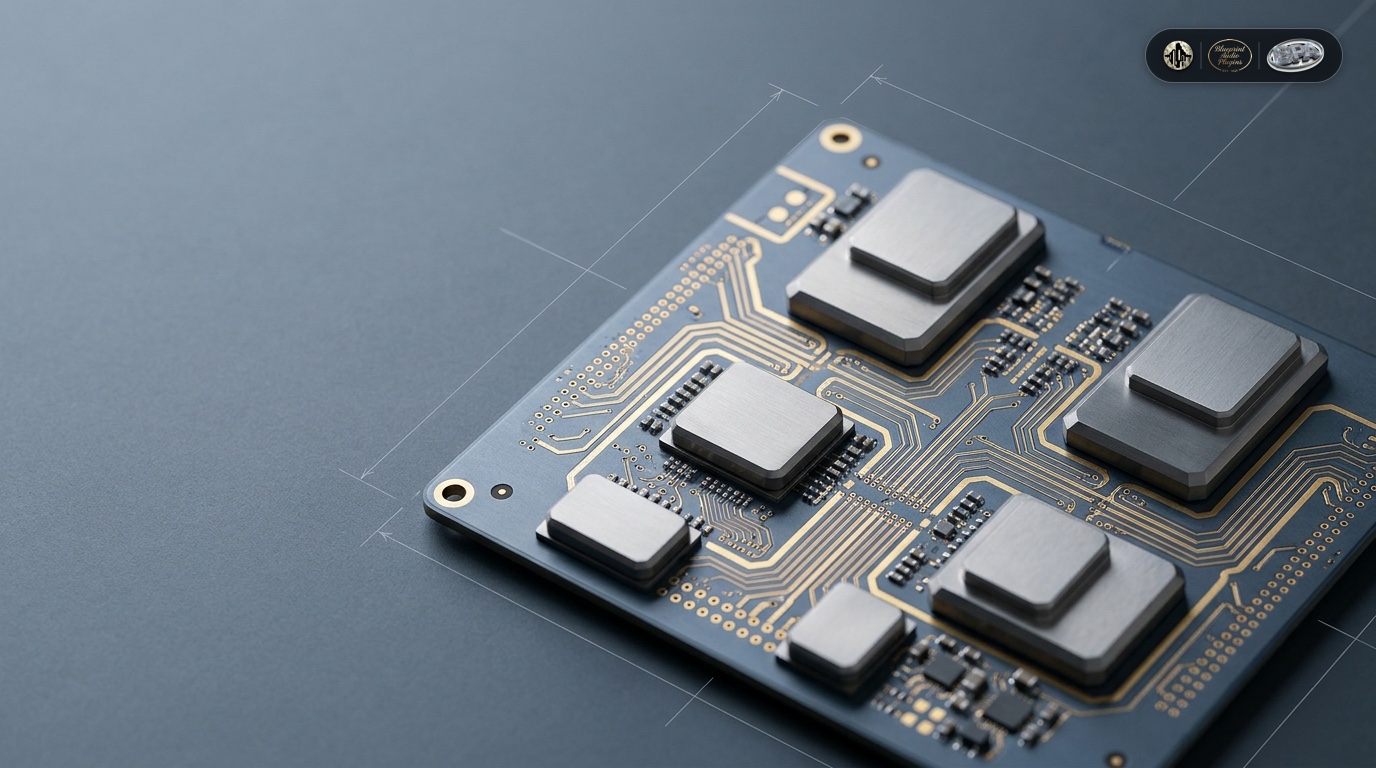
Slate anodized DSP board macro with gold circuit routing
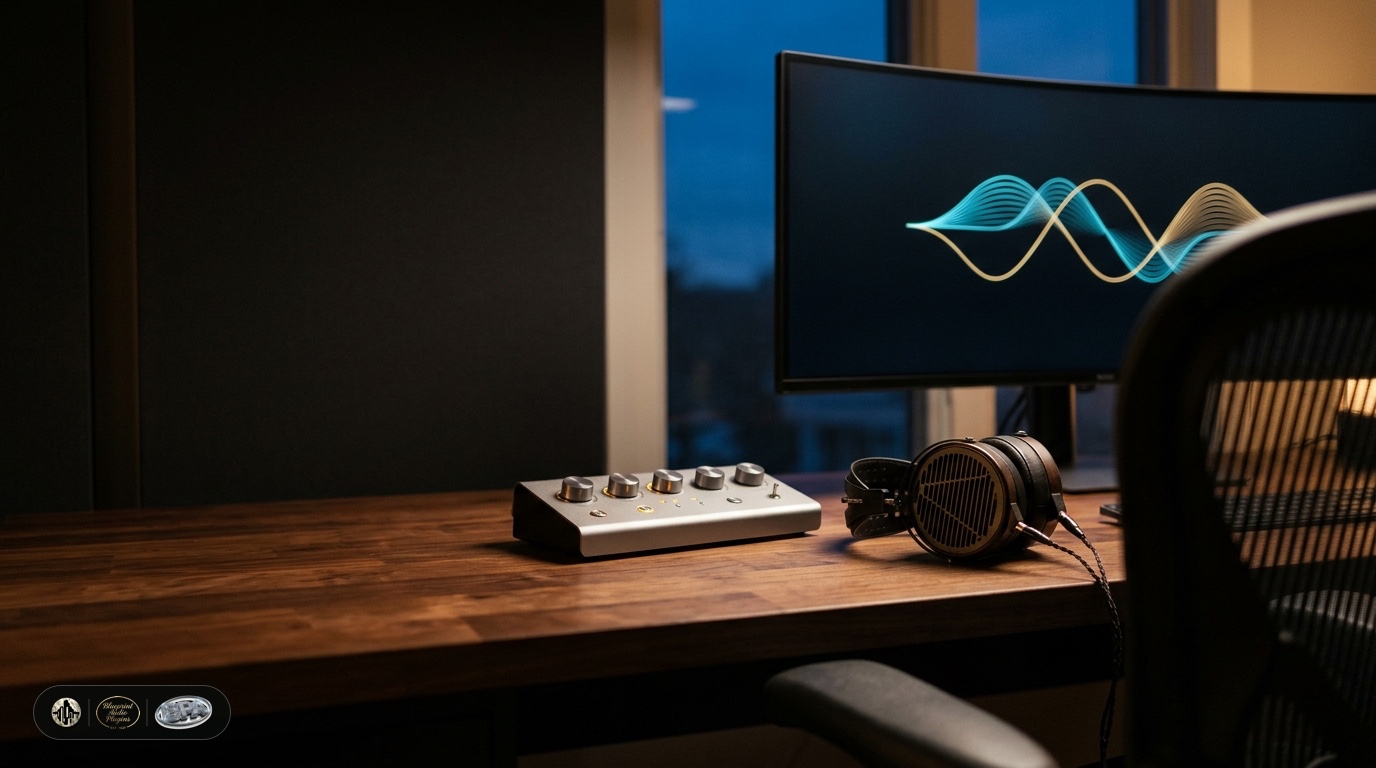
Evening producer studio console and planar magnetic headphones
VibeCode DSP · In Development · Not For Sale Yet

(BPA DSP) Studio Conditioning in Blueprint Hub

Bring your AI-assisted JUCE/CMake source projects or supported macOS builds into Blueprint Hub for neutral engineering checks, antialiasing, and True-P safety.